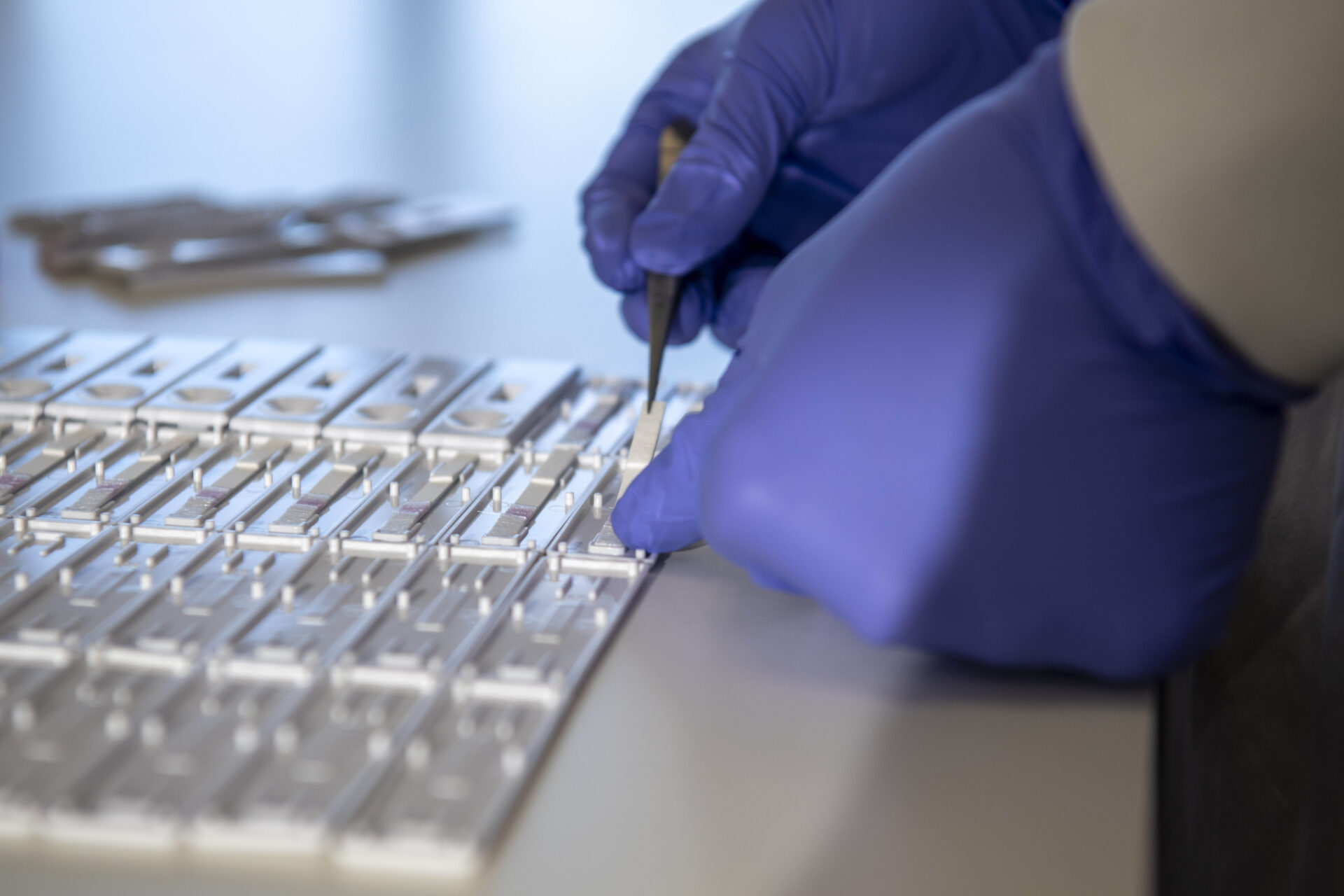
Diagnostics save lives — but only when they work in the real world. Many promising tests fail not because the science is wrong, but because they cannot be produced at scale, afforded by health systems, deployed where needed, or used correctly by frontline workers. REASSURED provides a practical framework to avoid these failures by keeping real-world implementation at the centre of product design.
By Kevin Land, Chief Development Officer, Global Access Diagnostics.
Originally evolving from the WHO ASSURED criteria, REASSURED expands the concept of “ideal diagnostics” for modern global health systems, pandemic preparedness, and next-generation product development. It shifts diagnostics thinking from laboratory performance alone to system readiness, ensuring technologies can function across diverse healthcare settings — from community clinics to national surveillance programmes.
Importantly, REASSURED does not replace formal regulated development pathways such as design controls, quality management systems, and Design History Files. Instead, it translates many of those requirements into practical, user-focused considerations that can be applied much earlier, helping researchers and innovators think more holistically about real-world needs while formal development processes progress in parallel.
 REASSURED stands for:
R – Real-time connectivity Results should move instantly to clinicians, patients, and health systems. Connectivity enables surveillance, outbreak detection, rapid response, digital reporting, and integration with national databases — critical capabilities for epidemic intelligence and pandemic preparedness.
E – Ease of sample collection Sample collection is often the largest bottleneck in testing. Diagnostics must simplify collection, minimise preparation steps, and function in challenging environments where training, equipment, and sterile conditions may be limited.
A – Affordable Affordability does not simply mean “cheap”. It means cost structures compatible with large-scale public health use. Manufacturing methods, test format, supply chains, and scalability all determine whether a test can reach millions who need it.
S – Sensitive Tests must correctly identify those who have disease. High sensitivity is essential for screening programmes, outbreak containment, and preventing missed diagnoses that allow transmission to continue.
S – Specific Diagnostics must also correctly exclude those without disease. High specificity prevents misdiagnosis, unnecessary treatment, wasted resources, and loss of trust in testing programmes.
U – User-friendly Tests should require minimal training, few operational steps, and simple interpretation. Usability determines whether diagnostics succeed at the community and primary care levels, where most testing occurs.
R – Rapid and robust Speed matters only if reliability is maintained. Diagnostics must deliver timely results while surviving transport, storage extremes, and variable field conditions. Robustness ensures consistent performance across the entire supply chain.
E – Environmentally friendly & Equipment minimal Diagnostics should minimise reliance on complex instruments, stable electricity, and controlled laboratory environments. At the same time, sustainability is increasingly important: millions of tests generate significant waste, making responsible material choices and disposal essential.
D – Deliverable to end users Even excellent tests fail if they cannot reach patients. Distribution systems, procurement pathways, local manufacturing capability, and health-system integration determine whether diagnostics truly serve populations.
Why REASSURED matters
For global health, REASSURED supports equitable access by guiding development of diagnostics suited to resource-limited settings, strengthening disease control strategies and health systems.
For pandemic preparedness, the framework emphasises connectivity, deployability, scalability, and robustness — enabling faster outbreak detection, decentralised testing, and resilient supply chains.
For product developers, REASSURED acts as a design-thinking tool, prompting the right questions early in development: not just “Does it work?”, but “Will it work where it is needed, at the scale required, and within real health systems?”
By embedding end-user realities into early product design, REASSURED helps ensure that innovation translates into impact — delivering diagnostics that are not only scientifically sound, but globally usable.
Kevin Land is the Chief Development Officer at Global Access Diagnostics.
GADx takes lateral flow from concept to market: accelerating diagnostic innovation.
Reference: Land, K.J., Boeras, D.I., Chen, X.S., Ramsay, A.R. and Peeling, R.W., 2019. REASSURED diagnostics to inform disease control strategies, strengthen health systems and improve patient outcomes. Nature microbiology