by Dr Maria Balta, Kent Business School
 The future of work is changing rapidly particularly with the increased use of GEN AI. The ability for organisations to keep pace, transform is critical for them to sustain, grow and thrive. The technological advancements help the organisations to untap their potential, embracing disruption will enable organisations to unlock value, drive profitability and accelerate growth. Today’s organisations need to adapt to rapid technological change and shifting economic priorities, it’s vital to equip our workforce with the right skills. The Assessment of priority skills to 2030 report offers a detailed analysis of future employment needs across ten critical sectors, aligned with the government’s Industrial Strategy. There is a demand for apprenticeships and broader skills training. Sectors such as Digital Technologies, Adult Social Care, Construction, and Engineering will experience the largest increases in job demand and diagnostic organisations need to respond to modern workforce needs.
Using the Human Resources diagnostic tools organisations identify areas in the businesses that are critical to respond to market disruption. HR diagnostics aims to design future- thinking operating models connected to HR value propositions. HR diagnostics through generative AI (GEN AI) involves leveraging AI technologies to enhance HR processes and decision-making particularly through Generative AI services that automate HR tasks to improve workforce planning and enhance employee experience. Additionally, the introduction of NEXT-GEN HR models enhances the HR functions through the integration of AI and data analytics focusing on employee experience and workforce shape to meet the new modern workforce needs. These advancements in HR diagnostics through NEXT GEN AI are transforming how organisations approach talent acquisition, address staff shortages and improve workforce management. It ameliorates the future HR operating model and contributes to sustainability and growth.
In my work, I have adopted digital technologies such as the Human Resource Information Systems (HRIS) to transform business operations supporting them to create greater value and improving productivity. The Diagnostic Tools for Human Resource Management (HRM) are used as methods to identify problems, assess effectiveness, and support decision-making related to people and organizations. My research has helped particularly SMEs organisations to raise awareness about the value of digital technologies to secure business continuity and enhance performance through business model pivoting.
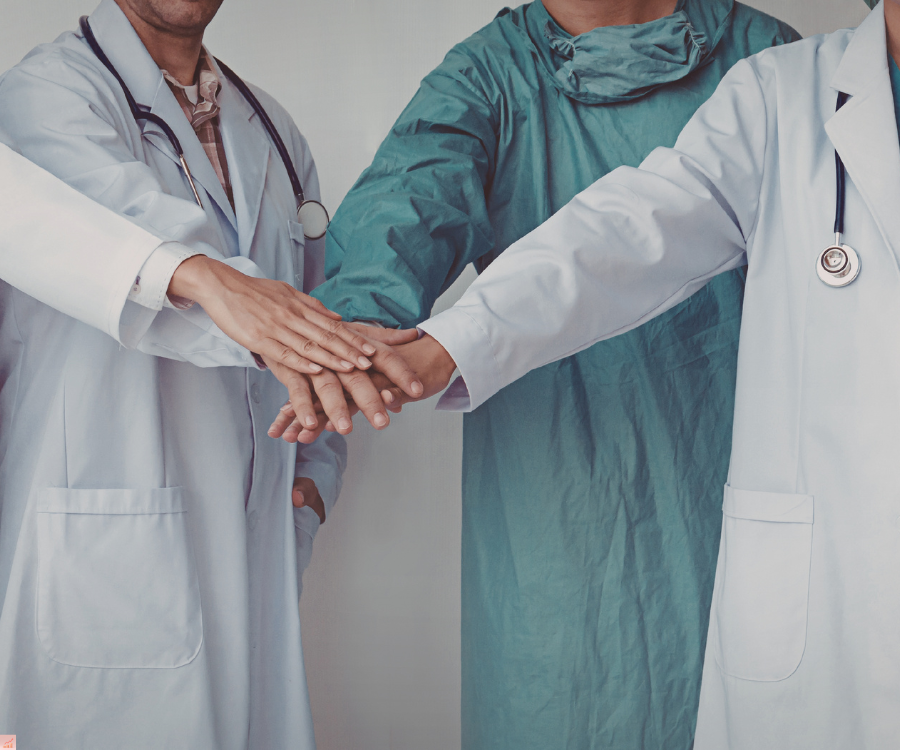
NEXT GEN AI enables to understand HR related issues around workforce planning, training and development. By linking GEN HR models Analytics enables a more forward-looking understanding of diagnostic demand. This helps with the understanding of the skills and the drive of talent upskilling and career planning, it enables the dramatically increased self-service, productivity and experience enhancements, truly personalised delivery of HR services that will help medical professionals to understand the pace of their work, the learning and development needs and also remind of their annual performance targets. Consequently, it contributes to a comprehensive data driven talent ecosystem that powers people decisions and workforce transformation.
Within the CADDA community, there is a unique opportunity to combine HR diagnostic tools with medical workforce needs and to provide workforce planning, training and development and ultimately enhance employee experience. Collaborative projects aim to address those workforce challenges and provide health and care professionals with skills to use technologies (devices and apps) to support remote monitoring for patients and assist patients with tailored made care services. A continuous and agile approach to development and training such as digital is needed to keep pace with innovation and changing expectations.